Find shipping rates on Devis Transport!
Devis Transport lets you obtain transport rates for shipping goods within France, across Europe or internationally. And this applies whatever the packaging of your shipment: large parcel, crate, pallet, container, bulk.
However, if you are sending a larger or heavier shipment (over 30 kg), fill in our form. It will allow you to request quotes from carriers, who will send you their offers by email within the day. Shipping at the best transport rates has never been so easy!
How do carriers set the price of a shipment?
The cost of transporting goods depends on various factors. It is important to take the following aspects into account:
- First, the type of packaging: large parcel, crate, pallet, container, bulk.
- Next, the nature of the goods: equipment, dangerous goods, high-value products…
- Then the mode of transport: express, road, air, sea…
- Or the distance to be covered.
- The weight and quantity of the goods.
- Or options: security, insurance, collection and delivery. For example, if you need a tail lift, a crane or a pallet truck.
- Finally, constraints related to receiving and storage procedures.
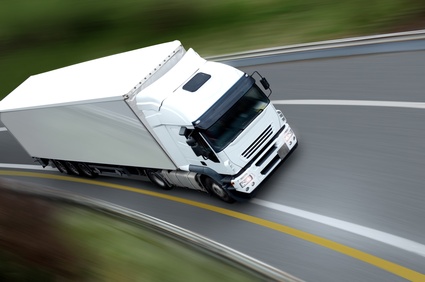
How is the rate for a shipment by truck calculated?
Rates for transport by truck can vary twofold for the same delivery service. These price differences arise because some road hauliers specialise in certain types of service.
While some carriers focus on domestic shipments, others mainly handle European or international shipments. Transport companies with more flexible structures will offer more personalised handling of your shipments. Everything will therefore depend on your needs and expectations for shipping your parcel.
Finally, submit your quote request via our form. We will then connect you with carriers that meet your truck shipping needs.

How is the price of an air shipment set?
Airlines set their own prices. Transport rates for your shipments by air therefore vary according to the weight, volume, destination and nature of the goods transported.
Most prices are based on a rate scale by bands of chargeable kg. If you ship in groupage containers, a ULD (Unit Load Device) rate will apply. However, there are specific rates depending on the nature of the goods to be transported.
Airlines do not always take the actual weight into account when calculating shipping rates, but often calculate the price based on volumetric weight. Finally, surcharges such as the fuel surcharge, the aviation security surcharge and the Air Waybill Fee are added to this base rate.
Sending air freight to the United States or using an air freight forwarder to import from China to France is easier with Devis Transport. You fill in a quote request form and receive quotes directly from air carriers.

How is the cost of a sea shipment calculated?
The rate for a sea shipment is based on the category of goods transported and on the volume or weight they will take up in the container. One tonne of goods is considered equivalent to 1 m3. In addition, a minimum charge applies to small shipments. This mode of transport is therefore not suitable for shipments of a few dozen kilos.
Shipping rates vary from one carrier to another, in particular depending on the container size you use. Easily compare sea carriers' rates with Devis Transport. By filling in our online quote request form, you can be sure of receiving the best rates from sea carriers very quickly.
Our tips for preparing your shipment properly
- First, measure your shipment: length, width, height and weight!
- Next, pack your goods carefully using packaging suited to your shipment. Use protective materials such as bubble wrap, kraft paper or polystyrene foam.
- Also, make sure you optimise the filling of your parcels, pallets or containers. Some carriers, such as DHL, FedEx, UPS and Chronopost, apply volumetric weight. This means they do not base their invoicing on the actual weight of your parcel, but on its dimensions.
- Remember to seal your shipment securely: for parcels, use strong adhesive tape (some carriers can supply it). For goods on pallets, you can stretch-wrap them, use strapping bands or straps.
- Add labels to ensure your shipment can be tracked.
- Check the contact details of the shipper and/or recipient. This will help avoid errors during collection and delivery of your shipment. If you have additional information to make the driver's job easier, such as "inner courtyard, at the back on the left", pass it on! By following these tips, you will avoid seeing your shipping costs soar due to extra charges for specific delivery conditions.
- Finally, tell the carrier if your shipment contains dangerous goods. Not all carriers are authorised to transport dangerous goods. To find out which types of products are accepted and the most suitable packaging for this type of shipment, please read our page on transporting dangerous goods.
How do you get quotes for your shipments?
You fill in...
...your transport quote request in two minutes.
We submit...
...your request to carriers.
You receive...
...quotes directly from carriers.